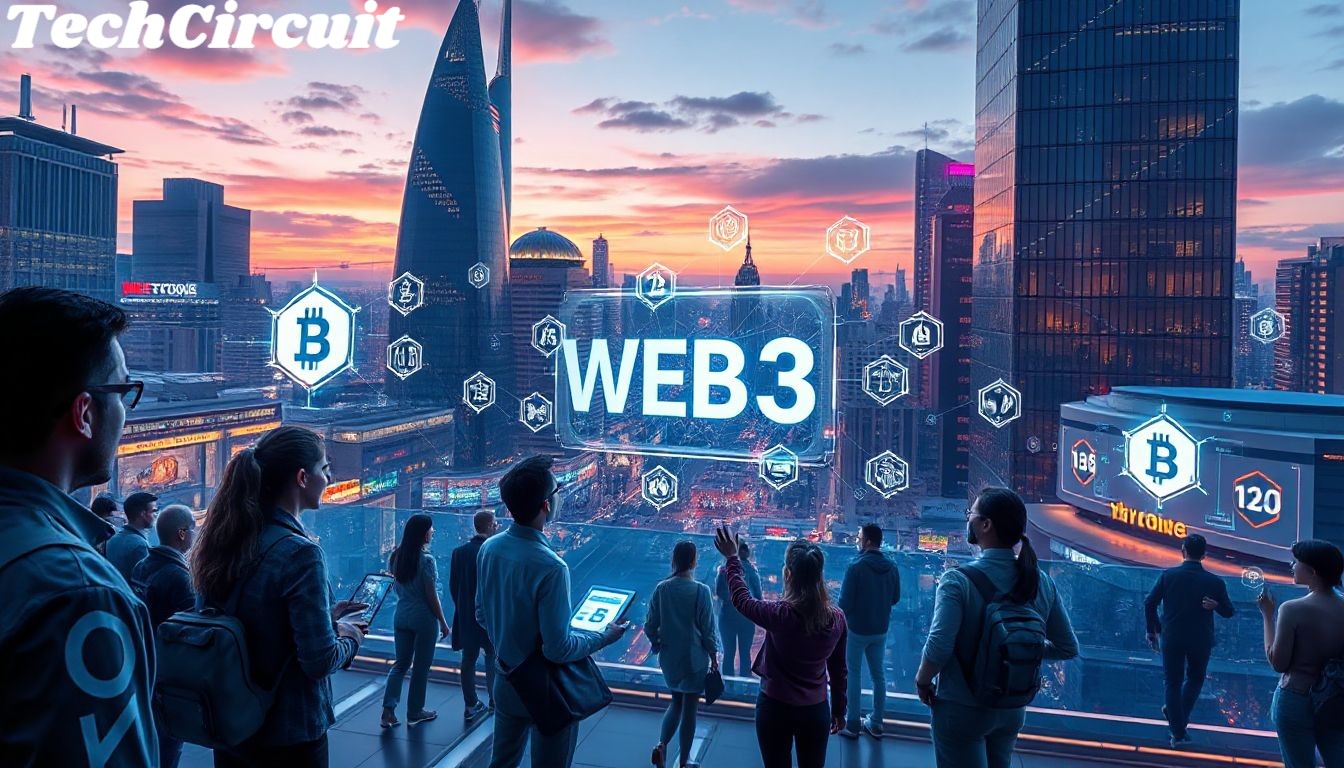
The buzz around Web3 has exploded in recent years. Every tech article, startup pitch, and social media post seems to mention it. For many, Web3 sounds exciting, promising a new version of the internet. But others wonder if it’s just a shiny phrase that’ll fade away. So, is Web3 really the future, or is it just hype? Understanding what Web3 really is can help us see if it offers real value or if we’re simply chasing a trend.
What Is Web3? Defining the Next Generation of the Internet
Understanding Web1, Web2, and Web3
Before diving in, it helps to look at how the internet has changed. Web1 was the early days—static pages, limited interaction, mostly read-only. Web2 brought social media, user-generated content, and online shopping. It turned users into content creators and consumers. Now, Web3 aims to shift again, focusing on decentralization and giving users ownership of their data and digital assets.
Core Technologies Behind Web3
Web3 relies on some powerful tools:
- Blockchain: A digital ledger that keeps records secure and transparent.
- NFTs (Non-Fungible Tokens): Unique digital items like art or music that users can buy, sell, or trade.
- DAOs (Decentralized Autonomous Organizations): Digital groups managed by members, not a central authority.
- Smart contracts: Automated agreements that execute actions once certain conditions are met.
These technologies work together to bring back control to users and creators, making the web more open and fair.
The Vision of Web3
The main ideas behind Web3 include decentralization, data sovereignty, and privacy. Instead of large corporations holding your data, you control it. Imagine a web where your information is yours alone, not stored in giant servers. This shift could reduce censorship and give users more power, turning the internet into a more democratic space.
Separating Web3 Hype from Reality
The Hype Cycle and Media Narratives
Media often paints Web3 as an overnight success story, boosting the hype. Headlines scream about billion-dollar NFT sales or decentralized finance taking over. While some of this is true, it can inflate expectations too high. Many people believe Web3 will revolutionize everything instantly, but the truth is more complex.
Challenges and Criticisms
Web3 faces real hurdles. Scalability is a concern—blockchain networks struggle with high traffic, slowing down transactions and increasing costs. Security issues also exist, with scams and hacks common in early projects. Overpromises from startups sometimes lead to disillusionment when features take longer or fail to deliver.
Market Data and Adoption Trends
Despite skepticism, Web3 adoption is steadily rising. Data shows increased usage of DeFi platforms, NFT sales, and blockchain games. Although not yet mainstream, these trends suggest growing interest and potential. Still, the overall percentage of regular internet users engaging with Web3 is small compared to Web2.
Real-World Examples Demonstrating Web3’s Potential
Successful Use Cases
- DeFi platforms like Aave and Compound: These let users lend, borrow, and earn interest without banks.
- NFT marketplaces such as OpenSea and NBA Top Shot: They’ve changed how creators sell digital art or collectibles.
- Gaming and metaverse projects like Decentraland and Sandbox: Players buy virtual land and build worlds controlled by players, not companies.
Limitations and Failures
Not everything has worked perfectly. Some projects like OneCoin turned out to be scams. Others promised big things but never delivered. High-profile hacks, like some DeFi platform breaches, highlight vulnerabilities. These failures remind us that the blockchain space still needs better rules and security.
Lessons Learned from Real-World Implementations
Web3 can succeed only if it adopts responsible practices. Regulation can protect users from fraud, and technological advancements can improve speed and security. Educating users about risks is essential for sustainable growth and trust.
The Value Proposition of Web3
Advantages Over Traditional Web Infrastructure
Web3 offers transparency—every transaction is recorded openly. It can also cut out middlemen, giving direct control to users. For creators, it opens new ways to earn money and own their work. Imagine selling art without galleries or record labels getting a big cut—Web3 makes that possible.
Potential to Transform Industries
Many sectors could benefit:
- Finance: Moving money cross-border faster and cheaper.
- Supply chain: Tracking products from origin to store.
- Healthcare: Securing patient data with better privacy.
- Entertainment: Giving artists direct access to fans and revenue.
Interviews from tech leaders often highlight Web3’s ability to make industries more fair and efficient. Still, the change will take time and effort.
Actionable Tips for Stakeholders
- Investors: Do homework on projects. Check if teams are transparent, and understand the technology.
- Developers: Focus on building safe, user-friendly apps that solve real problems.
- Users: Learn about risks like scams, and use secure wallets and platforms.
The Future of Web3: Hype vs. Reality
Predictions from Industry Leaders
Experts have mixed views. Vitalik Buterin, co-founder of Ethereum, believes Web3 has huge potential but stresses the need for better tech and safety. Coinbase executives see Web3 growing as more people understand and trust it. The common thread? Responsible development is key.
Key Factors for Sustainable Growth
Clear rules, better technology, and wider acceptance will drive Web3 forward. If the industry can solve issues like high costs and security, it could win mainstream trust.
How to Recognize Genuine Value in Web3 Projects
Focus on projects with active communities, real utility, and strong security. Don't get seduced by marketing alone. Look for transparency about technology and realistic timelines. Projects that aim to solve meaningful problems tend to stand the test of time.