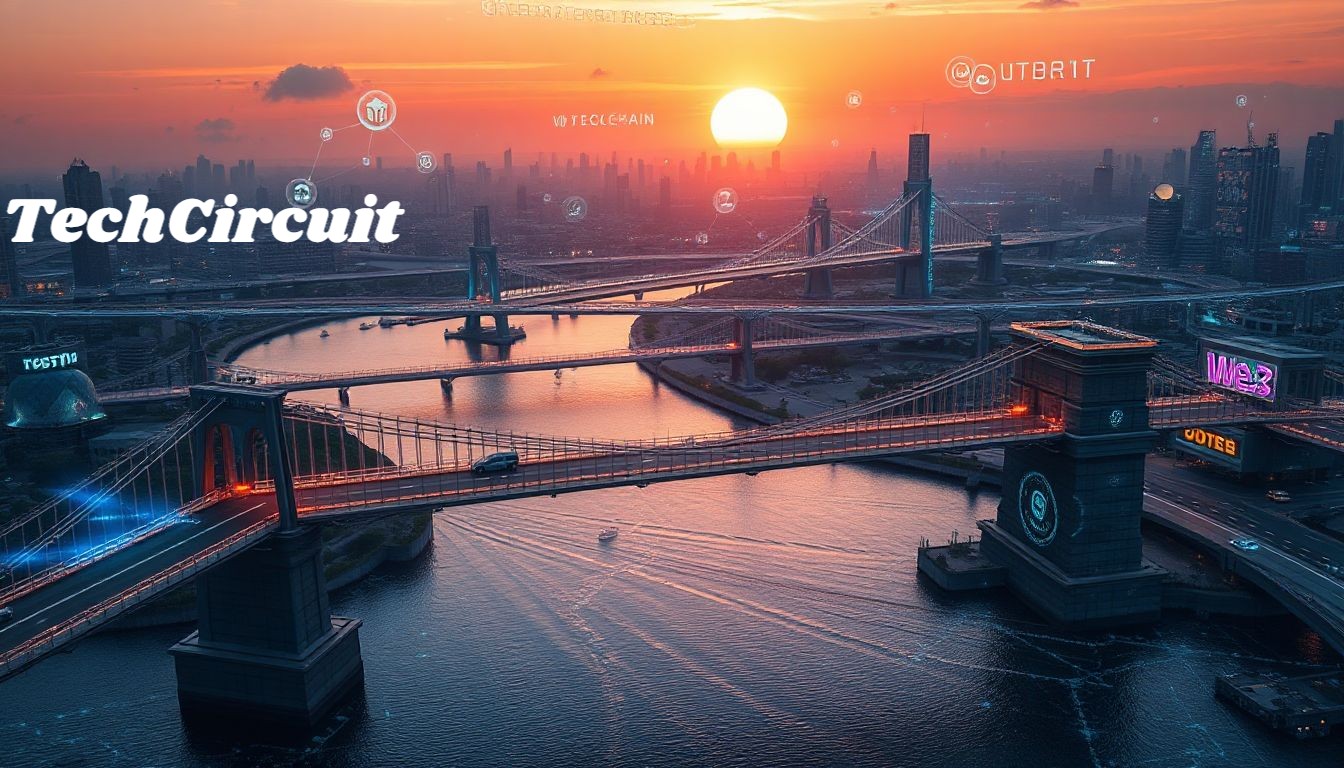
Web3 is changing the way we think about the internet. It pushes for a world where control shifts from big companies to individuals. Decentralization is at the heart of this movement, making the internet more open and less controlled. But to bring different blockchains together, we need a special technology — bridges and multichain solutions. They're like bridges connecting islands, letting data and assets travel across. Yet, they come with serious risks that could threaten the whole system. Recent security issues have shaken confidence, revealing just how dangerous these bridges can be.
The Role of Bridges and Multichain in Web3 Ecosystem
What Are Blockchain Bridges and Multichain Protocols?
Blockchain bridges are tools that link separate blockchain networks. They allow users to transfer assets and data from one chain to another. Imagine moving money from your bank account to a PayPal account — bridges do something similar but in the crypto world. Multichain protocols take this further by connecting multiple blockchains at once, creating a web of interconnected ledgers.
While bridges focus on one-to-one links, multichain solutions enable a network of chains to communicate smoothly. This way, users can hop from Ethereum to Solana or Binance Smart Chain without hassles. This cross-communication boosts the overall value and usability of the Web3 space.
Importance of Cross-Chain Compatibility
Why does this matter? Because people want options. They want to use different blockchains depending on their needs. Cross-chain compatibility helps! It unlocks liquidity, making it easier to swap tokens or access various DeFi apps. For example, platforms like Uniswap, PancakeSwap, and Raydium rely on multichain setups to attract more users.
The more chains that connect, the more flexible and vibrant the ecosystem gets. That’s why interoperability is no longer just a nice feature — it’s a necessity for growth.
Growing Market and Adoption Trends
The numbers tell a clear story. Bridge deployment shot up over 300% last year, with transaction volumes seeing exponential growth. Big projects like Polygon, Avalanche, and Wormhole are leading the charge. They offer tools that make moving assets between chains easier and safer, or so they claim.
These trends show how eager developers and users are to embrace multichain tech. Yet, the rapid growth also brings new challenges, especially when it comes to security.
Risks and Challenges Associated with Blockchain Bridges
Security Vulnerabilities and Attack Vectors
Bridges may seem simple, but they’re complex. Attackers target them in many ways. Double-spend attacks, where false transactions are made, are common. Replay attacks reuse valid data to exploit networks. Sometimes, hackers find flaws in the code itself.
High-profile breaches put this plain. The Poly Network hack in 2021 stole over $600 million, shaking the trust of many users. Wormhole, a popular bridge, was exploited for nearly $320 million earlier this year. These attacks highlight how critical security holes in bridges are, risking billions.
Centralization and Trust Issues
Many bridges rely on central authorities or validators. These are like gatekeepers guarding the assets. If these become corrupt or get hacked, everyone is at risk. It also creates a single point of failure — if one validator goes down or acts maliciously, the whole system suffers.
This centralization can give a false sense of security and leads to censorship. A few trusted players controlling the flow of assets can be risky — especially if their integrity is compromised.
Technical Complexity and User Risks
Bridges are tricky to build and even trickier to use. Compatibility issues between chains can cause delays or lost assets. Sometimes, users make mistakes like sending tokens to the wrong address, or chains have different transaction speeds. These glitches can wipe out assets with no recovery hope.
The complexity discourages new users and makes it harder for developers to create truly safe, user-friendly bridges.
Current Solutions and Innovations in Multi-Chain Connectivity
Standard Protocols and Frameworks
Protocols like IBC have been created to standardize cross-chain communication. IBC (Inter-Blockchain Communication) is designed for truly decentralized links. Projects like Wormhole, Chainlink CCIP, and LayerZero are also leading platforms that provide multi-chain bridges with varying levels of trust and security.
Security Enhancements and Audits
Best practices focus on conducting thorough security checks. Regular audits by third-party firms help reveal vulnerabilities. Bug bounty programs are now common, inviting white-hat hackers to test for flaws before malicious actors find them.
It's crucial to build transparency. Open-source codebases allow peer reviews, improving trustworthiness and catching mistakes early.
Innovative Approaches
Decentralized, trustless bridges are emerging. These rely on cryptographic proofs, such as zero-knowledge proofs, to confirm transactions without revealing sensitive data. These advancements push toward safer, more reliable connectivity.
Liquidity pools flowing across chains, managed by DAOs, are also gaining ground. These decentralized groups oversee the security and function of bridges, reducing reliance on central authorities and increasing transparency.
Best Practices for Developers and Users to Mitigate Risks
For Developers
- Prioritize security audits and formal verification to catch bugs.
- Keep code open-source and transparent to get community support.
- Implement fallback options and multi-sig controls to protect assets if something goes wrong.
For Users
- Research thoroughly before using any bridge service.
- Use multi-factor authentication and hardware wallets for added protection.
- Stay updated on recent breaches and security alerts to avoid risky transactions.
The Future of Blockchain Interoperability
Where is this heading? Decentralized, trustless bridges are on the rise. These look to remove all middlemen, making cross-chain transactions safer and faster. Cross-chain composability could improve Web3's scalability by allowing more complex applications to run smoothly across multiple chains.
Regulators are watching too. Industry standards and legal frameworks are slowly taking shape to ensure safety without hampering innovation. Experts believe that better interoperability will make Web3 more resilient and accessible for millions.