The idea of turning real-world assets into digital tokens is taking the finance world by storm. As more investors look for new ways to grow wealth, asset tokenization becomes an exciting solution. It lets you turn physical things—like properties, artwork, and invoices—into crypto that can be bought and sold easily.
This process connects traditional assets to blockchain technology. It offers benefits like faster trades, better transparency, and access to more investors. Today, industry experts see RWA tokenization as a key step toward making physical assets more liquid. With market size predictions climbing rapidly, this innovation is reshaping how we think about investment, ownership, and marketplaces.
Understanding Real-World Asset (RWA) Tokenization
What is RWA Tokenization?
Asset tokenization turns tangible assets into digital tokens on a blockchain. These tokens act as certificates of ownership or rights to physical items. Unlike cryptocurrencies like Bitcoin, which are entirely digital, RWA tokens represent real assets such as real estate, art, or invoices.
Think of it like converting a painting into a digital collectible that can be traded globally. The key difference? These tokens are backed by actual property or other physical assets, not just data.
How RWA Tokenization Works
The process starts with valuing the asset accurately. Once assessed, a smart contract authorizes the creation of tokens representing shares of the asset. These tokens can be bought, sold, or traded just like stocks.
Ownership rights are managed digitally. When you buy a token, you hold a stake — not the physical property itself. Custody providers secure the assets, and blockchain ensures the entire process stays secure and transparent. Visualize it as a digital ledger recording who owns what, in real-time.
Benefits of RWA Tokenization
- Faster transactions: Buying or selling assets now takes minutes instead of weeks.
- More transparency: Blockchain’s open ledger makes ownership easy to verify.
- Broader access: Smaller investors can join in, creating more liquidity.
- Increased liquidity: Physical assets become easier to trade or fractionally own, opening new opportunities for investors.
Industry data estimates that tokenized real estate could unlock trillions of dollars in assets that are now hard to buy or sell efficiently.
Tokenizing Different Types of Assets
Real Estate
From office buildings to apartments, real estate is a popular choice for tokenization. Investors appreciate the chance to buy fractions of property, reducing the barrier to entry. Platforms like RealT enable such investments, allowing anyone to own a piece of rental properties.
For example, a large commercial building can be split into hundreds of tokens. These tokens are freely tradable, making it easier to buy or sell without complex paperwork.
Art and Collectibles
High-value artwork becomes more accessible when turned into digital tokens. Art owners can sell fractions to multiple investors or trade their shares globally. This boosts liquidity and allows art lovers who don’t have millions to participate.
Blockchain registries like Artory track the authenticity of art tokens, removing doubts around forgery. Platforms like Maecenas simplify art investing by turning art pieces into for-sale tokens, creating a new trading scene for collectors.
Invoices and Receivables
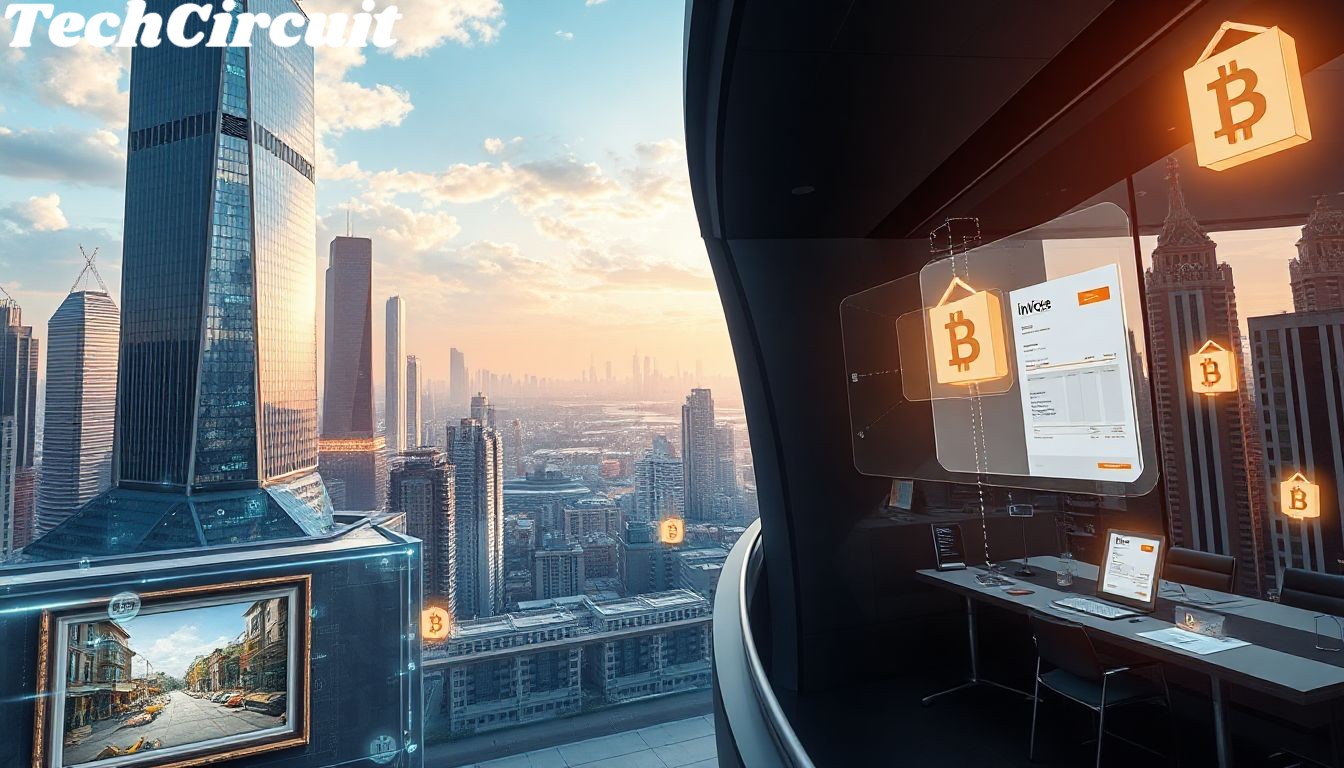
Companies often face cash flow problems waiting for invoices to be paid. Tokenizing accounts receivable means converting invoices to tradeable assets. This approach offers a new way for businesses to get quick cash and reduce reliance on banks.
For example, a small supplier can sell invoice-backed tokens to investors, ensuring steady cash flow. Large firms also benefit by turning receivables into security tokens, easing their access to financing.
Challenges and Risks of RWA Tokenization
Regulatory and Legal Hurdles
Different countries have varying rules about asset ownership and crypto trading. Some regions are more open, while others still struggle with unclear rules. This inconsistency can cause legal issues or slow adoption.
Investors and platforms must stay compliant to avoid penalties. Industry experts often push for clearer laws to protect everyone involved.
Valuation and Due Diligence
Valuing physical assets accurately is tricky. Misjudged worth or fraud can undermine trust in tokenized assets. That’s why thorough due diligence and third-party audits are crucial before issuing tokens.
Think of it like appraising a rare painting—mistakes can cost investors and damage credibility.
Liquidity and Market Adoption
Even with tokens, creating active, liquid markets for physical assets isn't easy. Many assets lack sufficient buyers and sellers. Market adoption depends on building platforms, encouraging trust, and standardizing procedures.
To overcome this, secondary markets and easy-to-use trading platforms are being developed. These steps could turn RWA tokens into truly fluid assets.
Future Outlook and Opportunities
Trends Shaping the RWA Tokenization Industry
The market is expected to grow significantly over the next few years. Predictions suggest tokenized real estate alone could reach hundreds of billions, if not trillions, in value. Integration with decentralized finance (DeFi) and traditional banks will likely expand access.
Experts believe that as regulations tighten and technology improves, RWA tokenization will become standard practice in many sectors.
Opportunities for Investors and Businesses
Investors gain access to high-value assets with lower upfront costs. It’s easier to diversify a portfolio by adding real estate, art, or receivables. Businesses benefit from faster transactions and broader funding options.
Getting started involves researching trusted platforms, understanding the assets, and being aware of risks. Small steps now can lead to opportunities in this rapidly evolving space.
Emerging Technologies Enhancing RWA Tokenization
Artificial intelligence (AI) helps with valuations and risk analysis. Internet of Things (IoT) devices provide real-time data about physical assets, adding security. Blockchain interoperability makes cross-border transactions smoother.
These innovations will likely unlock new markets and reduce barriers for international investors and asset owners. The future promises more seamless, secure, and global asset trading.