In an era where cybersecurity threats like phishing, data breaches, and identity theft dominate headlines, the quest for secure authentication methods has intensified. Biometric security—using unique physical traits like fingerprints, facial recognition, or iris scans—has emerged as a popular alternative to traditional passwords. Marketed as more secure and user-friendly, biometric authentication is now ubiquitous in smartphones, laptops, and even banking systems. But is your face or fingerprint truly safer than a password? This article explores the strengths, vulnerabilities, and future of biometric security while optimizing for keywords like biometric security, fingerprint authentication, facial recognition, and password security.
What Is Biometric Security?
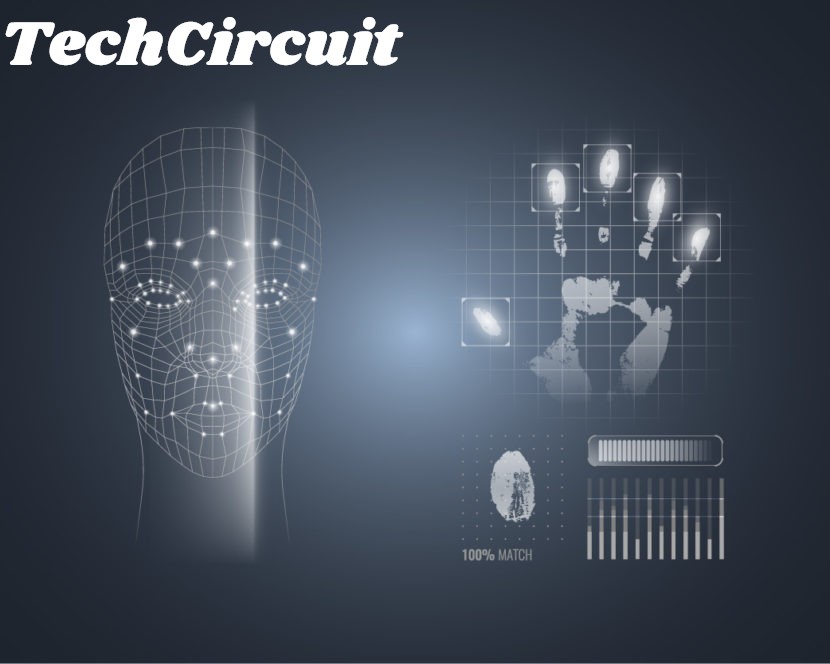
Biometric security uses unique biological characteristics to verify identity. Common forms include:
-
Fingerprint Authentication: Scanning the unique ridges and patterns of a finger.
-
Facial Recognition: Analyzing facial features using cameras and algorithms.
-
Iris Scanning: Mapping the intricate patterns of the eye’s iris.
-
Voice Recognition: Identifying individuals based on vocal patterns.
Unlike passwords, which rely on something you know, biometrics depend on something you are. This makes them harder to forget and, in theory, more secure. According to a 2023 Gartner report, over 70% of smartphones now incorporate biometric authentication, and the global biometrics market is projected to reach $82.8 billion by 2027, driven by demand for secure, passwordless authentication.
The Advantages of Biometric Security
Biometric systems offer several compelling benefits, making them a go-to solution for modern authentication:
1. Convenience
Biometrics eliminate the need to remember complex passwords or carry physical tokens. Unlocking a phone with a fingerprint or face scan is faster than typing a 12-character password, enhancing user experience.
2. Uniqueness
Biological traits are inherently unique, making it difficult for attackers to replicate them without sophisticated methods. This contrasts with passwords, which are often reused or easily guessed (e.g., “password123”).
3. Scalability
Biometric authentication integrates seamlessly into devices like smartphones and wearables, supporting applications from banking to workplace access control. Its adoption in industries like healthcare and finance underscores its versatility.
4. Reduced Password Fatigue
With the average person managing over 100 online accounts, password fatigue is a real issue. Biometrics offer a streamlined alternative, reducing reliance on password managers or risky habits like writing passwords down.
The Vulnerabilities of Biometric Security
Despite its advantages, biometric security is not foolproof. Several vulnerabilities raise questions about whether it’s truly safer than passwords:
1. Non-Revocable Data
Unlike passwords, biometric data cannot be changed. If a hacker steals your fingerprint or facial data, you can’t “reset” your biology. In 2015, the U.S. Office of Personnel Management breach exposed the fingerprint data of 5.6 million individuals, highlighting the risks of storing biometric information.
2. Spoofing Risks
Biometric systems can be fooled. High-resolution photos or 3D-printed fingerprints have bypassed some facial recognition and fingerprint authentication systems. A 2022 study by the University of Tokyo demonstrated that low-cost 3D-printed masks could trick facial recognition software 60% of the time.
3. Data Privacy Concerns
Biometric data is sensitive personal information. If stored insecurely or shared with third parties, it can be exploited for surveillance or identity theft. Regulations like GDPR and CCPA impose strict rules on biometric data handling, but compliance varies across organizations.
4. False Positives and Negatives
Biometric systems aren’t perfect. False positives (granting access to the wrong person) or false negatives (denying access to the rightful user) can occur due to lighting conditions, sensor quality, or physical changes (e.g., injuries affecting fingerprints). A 2023 NIST report found that some facial recognition systems had error rates as high as 10% for certain demographics.
5. Centralized Storage Risks
Many biometric systems store data in centralized databases, creating a single point of failure. A breach in such a database could expose millions of users’ biometric profiles, as seen in the 2019 breach of India’s Aadhaar system, which compromised data for over 1 billion citizens.
Passwords: Still a Viable Alternative?
Passwords, while flawed, remain a cornerstone of cybersecurity. Their strengths include:
-
Revocability: Passwords can be changed if compromised.
-
Low Cost: No specialized hardware is required, unlike biometric systems.
-
Control: Users can create strong, unique passwords using password managers.
However, passwords are plagued by human error. Weak passwords, reuse across accounts, and phishing attacks make them vulnerable. A 2023 Verizon Data Breach Investigations Report found that 74% of breaches involved stolen or weak credentials. Multi-factor authentication (MFA), combining passwords with biometrics or tokens, is often recommended to bolster security.
Biometric Security vs. Password Security: A Comparison
|
Aspect |
Biometric Security |
Password Security |
|---|---|---|
|
Ease of Use |
High (no memorization) |
Low (requires memorization or management) |
|
Uniqueness |
High (biological traits are unique) |
Variable (depends on user creativity) |
|
Revocability |
Low (cannot change biometrics) |
High (can reset passwords) |
|
Vulnerability to Theft |
Medium (spoofing possible) |
High (phishing, weak passwords) |
|
Privacy Concerns |
High (sensitive data storage) |
Low (no personal data involved) |
|
Cost of Implementation |
High (requires hardware/software) |
Low (software-based) |
The Future of Biometric Security
Advancements in technology are addressing some biometric vulnerabilities:
-
Liveness Detection: Newer systems use AI to detect whether a biometric input is from a live person, reducing spoofing risks. For example, infrared sensors in facial recognition can distinguish real faces from photos.
-
On-Device Processing: Storing biometric data locally on devices, rather than centralized servers, enhances privacy. Apple’s Face ID, for instance, processes data on-device using a secure enclave.
-
Behavioral Biometrics: Analyzing patterns like typing speed or gait offers a dynamic layer of authentication that’s harder to replicate.
-
Hybrid Systems: Combining biometrics with passwords or tokens in MFA setups provides a robust balance of security and usability.
Best Practices for Secure Biometric Authentication
To maximize the benefits of biometric security while minimizing risks, organizations and users should:
-
Use Multi-Factor Authentication: Combine biometrics with passwords or tokens to create layered security.
-
Prioritize Liveness Detection: Choose systems that verify live inputs to prevent spoofing.
-
Secure Data Storage: Ensure biometric data is encrypted and stored locally or in compliance with regulations like GDPR.
-
Regularly Update Systems: Patch vulnerabilities in biometric software to stay ahead of evolving threats.
-
Educate Users: Inform users about the risks of biometric data exposure and the importance of safeguarding devices.