The global chip industry has become the heartbeat of modern technology. Chips power everything from smartphones to cars and military systems. This makes them a key economic asset and a strategic tool.
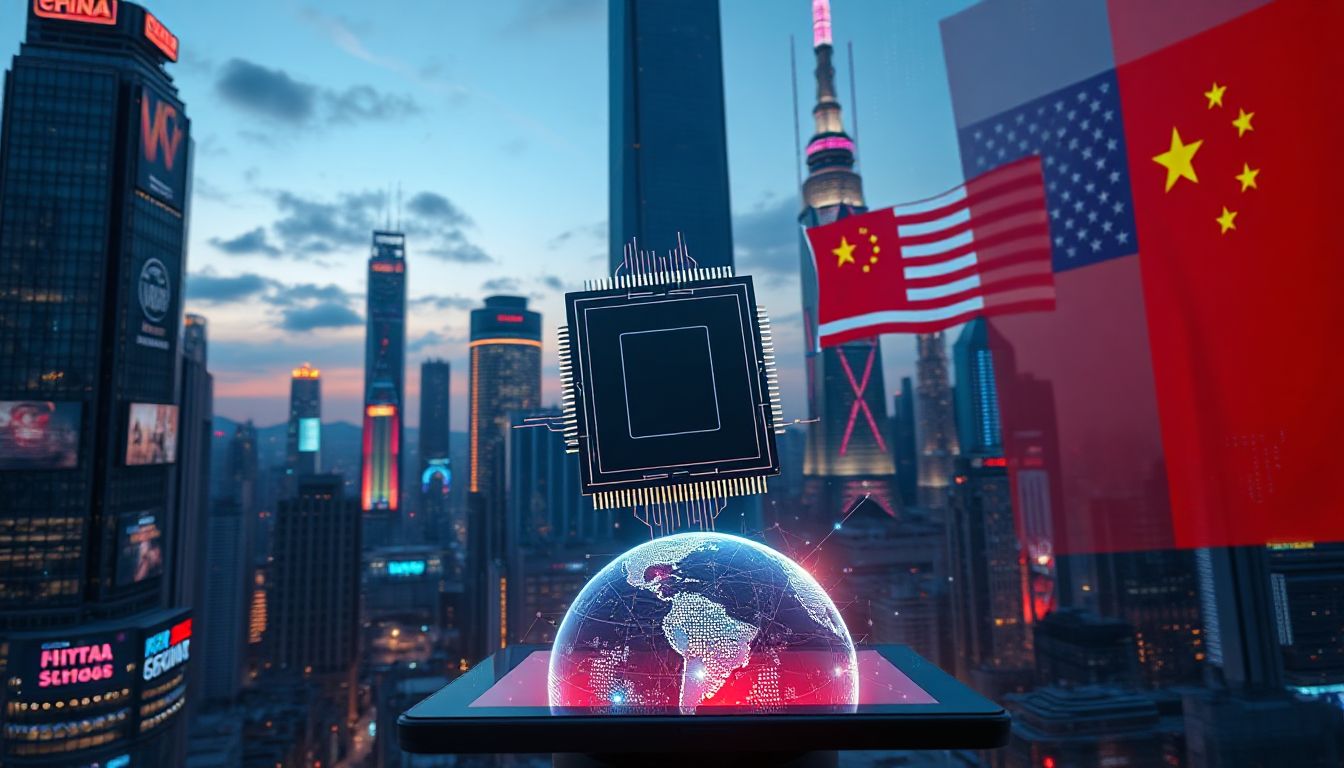
Over the years, tensions between the US and China have grown. Both countries now see semiconductors as crucial for their future. Recent restrictions and sanctions have only sharpened this rivalry. As a result, the entire tech world faces big shifts.
This conflict affects innovation, supply chains, and international relations. As the chip war heats up, understanding its impact becomes more important than ever. Let’s explore how this battle is redefining the tech universe.
The Origins of the US-China Chip Conflict
Historical context of semiconductor development and competition
Semiconductors have been around for decades. The US led the charge early on with giants like Intel and Texas Instruments. China, however, began to rise fast in late 2000s, aiming to catch up.
China’s goal: to become a global leader in tech. It poured money into research, factories, and talent. The US responded with concern, seeing China’s growth as a threat.
Key milestones include China’s "Made in China 2025" plan and US efforts to restrict exports of certain chip technology. These moves signaled a shift from peaceful competition to strategic rivalry.
Recent escalation in restrictions and sanctions
In recent years, the US imposed bans on Chinese companies like Huawei and SMIC. These measures stop them from accessing advanced US-made chip equipment. The goal? Keep China from gaining too much tech power.
China, in response, doubled down on efforts to develop homegrown chips. It launched initiatives to fund domestic research and build local industries. Policies like export controls and executive orders have made global trade more complicated.
Global positioning of the semiconductor industry
The industry is dominated by companies from the US, South Korea, and Taiwan. TSMC, Samsung, and Intel lead the world in manufacturing chips. Their market share makes them highly influential.
Meanwhile, China still relies heavily on imports and foreign technology. Its push for self-sufficiency aims to change that. Overall, the industry remains fiercely competitive and strategic, with countries vying for